
What’s written on the page is relatively simple – not too many notes, not too difficult on the fingers, and instructions are simple. However, its challenges go beyond finger dexterity. It demands musicality paired with mindful simplicity and subtlety. In other words, as my teacher has always pointed out, the music should speak for itself without myself messing around with it.
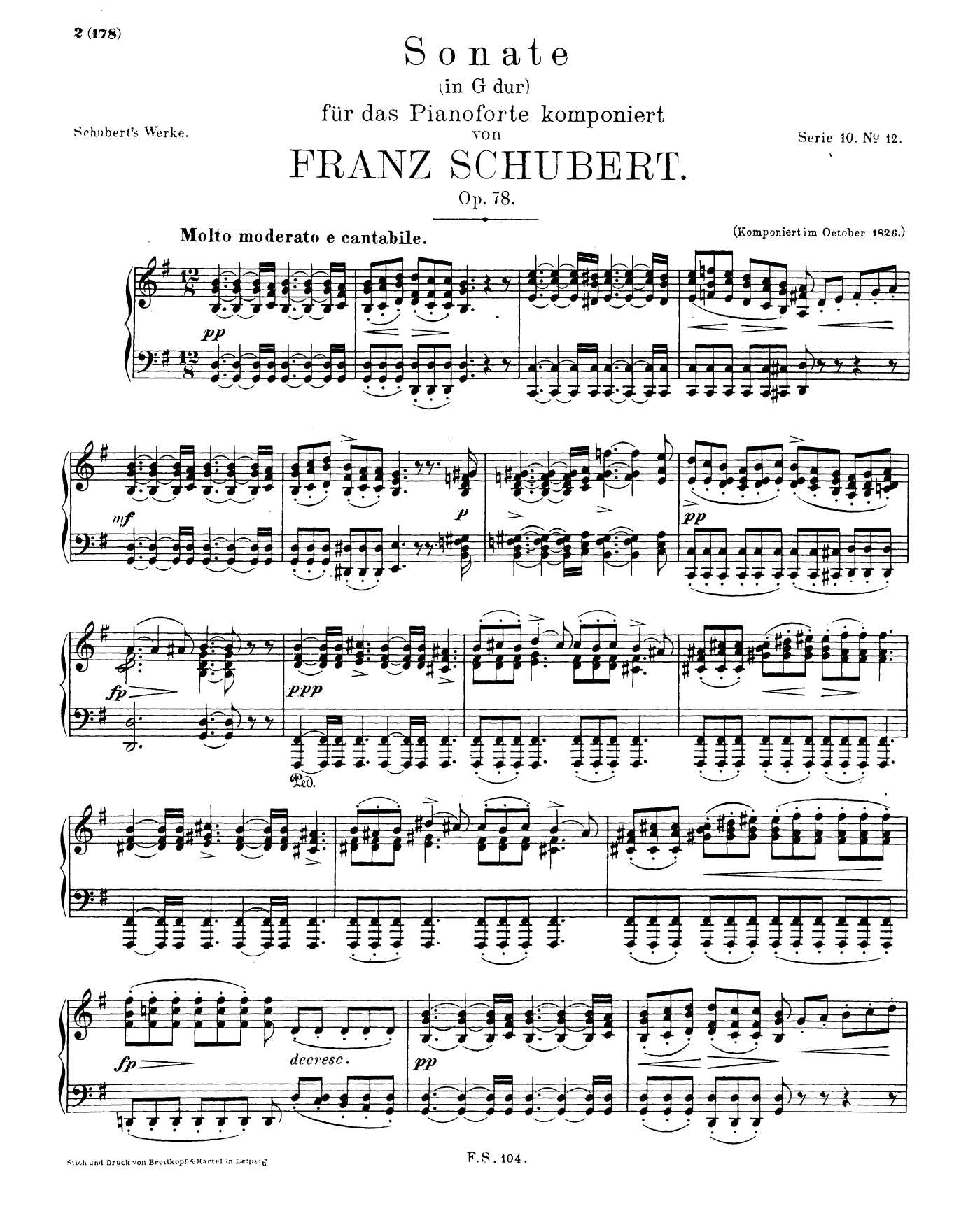
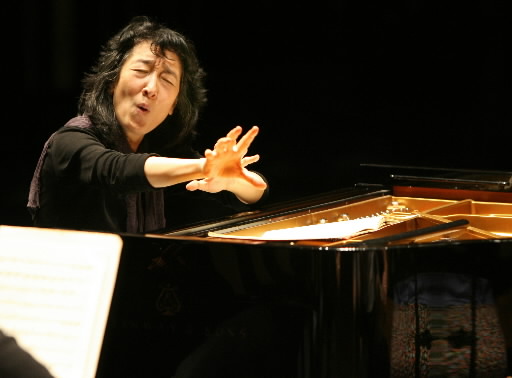
Last year, I was blessed with several opportunities to perform in piano recitals. I decided to play a lot of candy music because I wanted to come across as a commercially-capable pianist and being impressionable was important to me. That worked out well attest by another series of recitals this year. Yey! Now that I have my audiences listening, I will present a repertoire that will feature serious music with bits of commercial pieces in between. One of the serious music I am talking about is Franz Schubert’s “Fantasy” Piano Sonata in G Major, D. 894. I have read accounts of several pianists and composers who are deeply moved by this piece – namely Robert Schumann, Mitsuko Uchida, Arcadi Volodos and Sviatoslav Richter, to name a few.
I have always thought that this piece is a large-scale prayer. Its harmonic movement, delicate melody lines, and relaxed tempi emanates spirituality and contemplation. The work is simply there to be felt and experienced. It is a soul-nourishing masterpiece whose intention is to elevate everyday reality. I have been playing this piece for several months now. Every time I play it, I knew that something has happened to me. It’s as if I get to understand the mysteries of the universe a little better.
I must admit that it was initially difficult for myself to understand and appreciate this sonata. It’s almost like a cardinal sin to feel that way about the work. But as time passes, the piece grew in me and has helped me become a better poet. With my initial struggle in mind, I wonder, “will my audiences appreciate this piece?” I always asked myself to how I can convince them to listen intently. However, I came to realize that I should just focus my energies on the music without being concerned about anything anymore. If an audience member is finds it hard to appreciate such work, my advice is to humble oneself in the presence of the art. In my experience, being humble transcends personal taste and the ego of “I like this, I like that” diminishes. Not that I advocate on relinquishing personal taste altogether but, rather, I ask to let the experience sink in with an open mind then filter it eventually with ones personal understanding.
I wish I could put up my recording for you to listen. But in the meantime, I would like to recommend the recording of Arcadi Volodos because his interpretation is closest to the music. I have listened to several recordings but Mr. Volodos has kept it authoritative, musical, and conservative. I may have different ideas about interpretation but I am always in debt to his honest interpretation.
 DARREN MATIAS | Musician